
Fun animal facts for kids
Short facts about animals. Every card has a source so a grown-up can read more.
Age:
Nothing for that age right now – tap All to see everything.
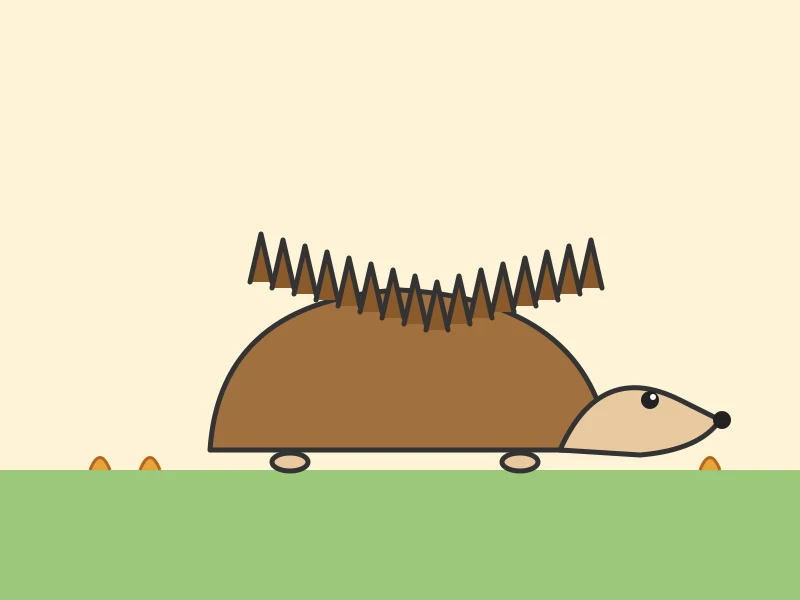
Hedgehog
- A grown-up hedgehog has between 5,000 and 7,000 spines.
- It likes to eat small bugs, like beetles, earthworms and caterpillars.
- In winter it sleeps in a nest of leaves, grass and moss.
- A hedgehog mom usually has 4 to 6 babies.
- Don't give a hedgehog milk. Put out a bowl of water instead.
Source: wwf.se (opens in a new tab)
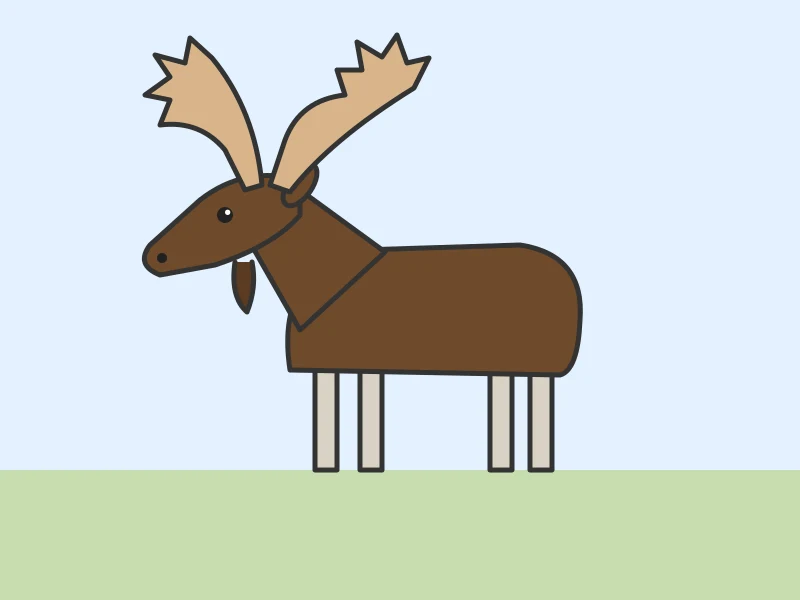
Moose
- The moose is the biggest animal in the forests of Sweden.
- A male moose's antlers can be more than 3 feet wide. He loses them after the fall and grows new ones every year.
- Moose are very good swimmers and can swim for miles.
- A newborn moose calf can follow its mom after only about an hour.
- A moose can run more than 30 miles per hour.
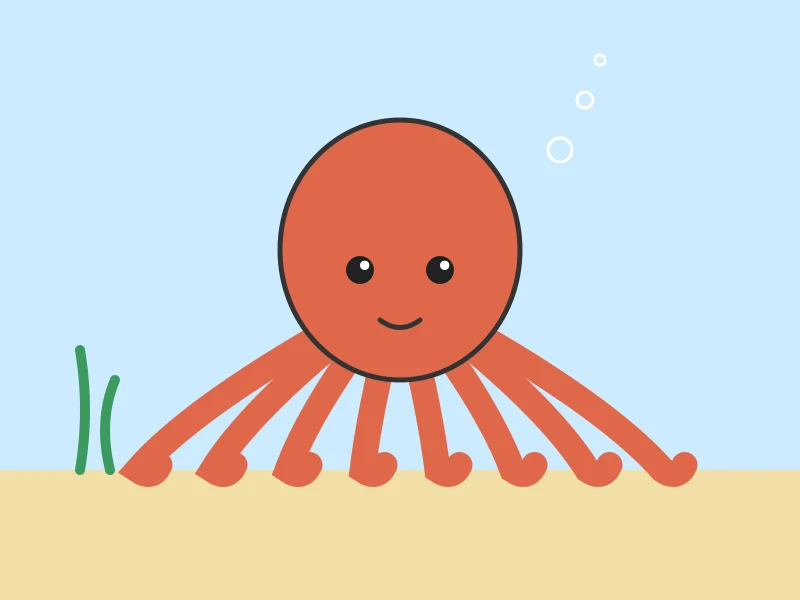
Octopus
- An octopus has eight arms.
- It can change its color, pattern and even how its skin looks, so it blends in with what is around it.
- If something finds it, it squirts out a cloud of black ink and swims away.
- The only hard part of its body is its beak, so it can squeeze through any hole bigger than its beak.
- If an octopus loses an arm, it can grow it back.
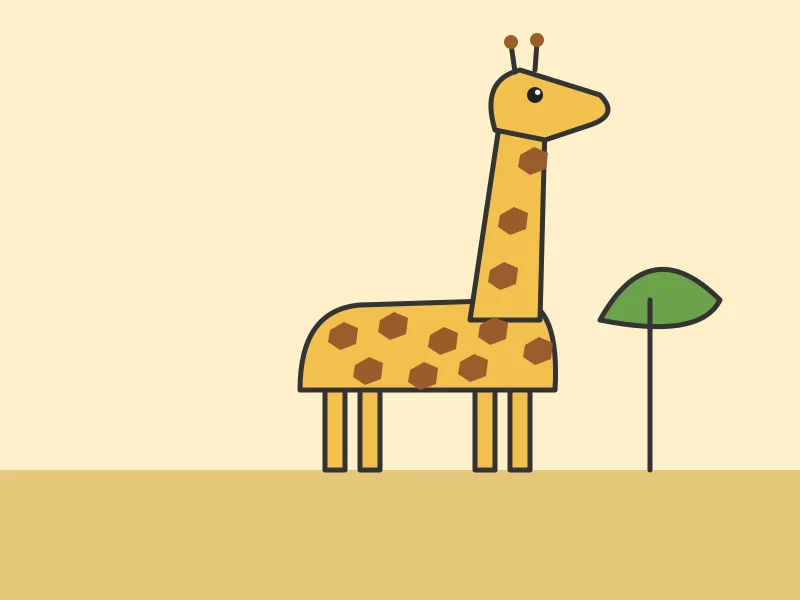
Giraffe
- The giraffe is the tallest mammal in the world.
- A giraffe's legs alone are about 6 feet long, taller than many grown-ups.
- Its tongue is about 18 to 21 inches long and helps it pick leaves from trees.
- A giraffe gets most of its water from the plants it eats and only needs to drink every few days.
- No two giraffes have exactly the same pattern of spots.